
Our Story & Place
How the Homer Spit Was Formed — and Why a Fishing Port Grew There
The Homer Spit is a 4.5-mile bar of gravel into Kachemak Bay, born of ice and water — how it got there, and why it's a natural place to land fish.
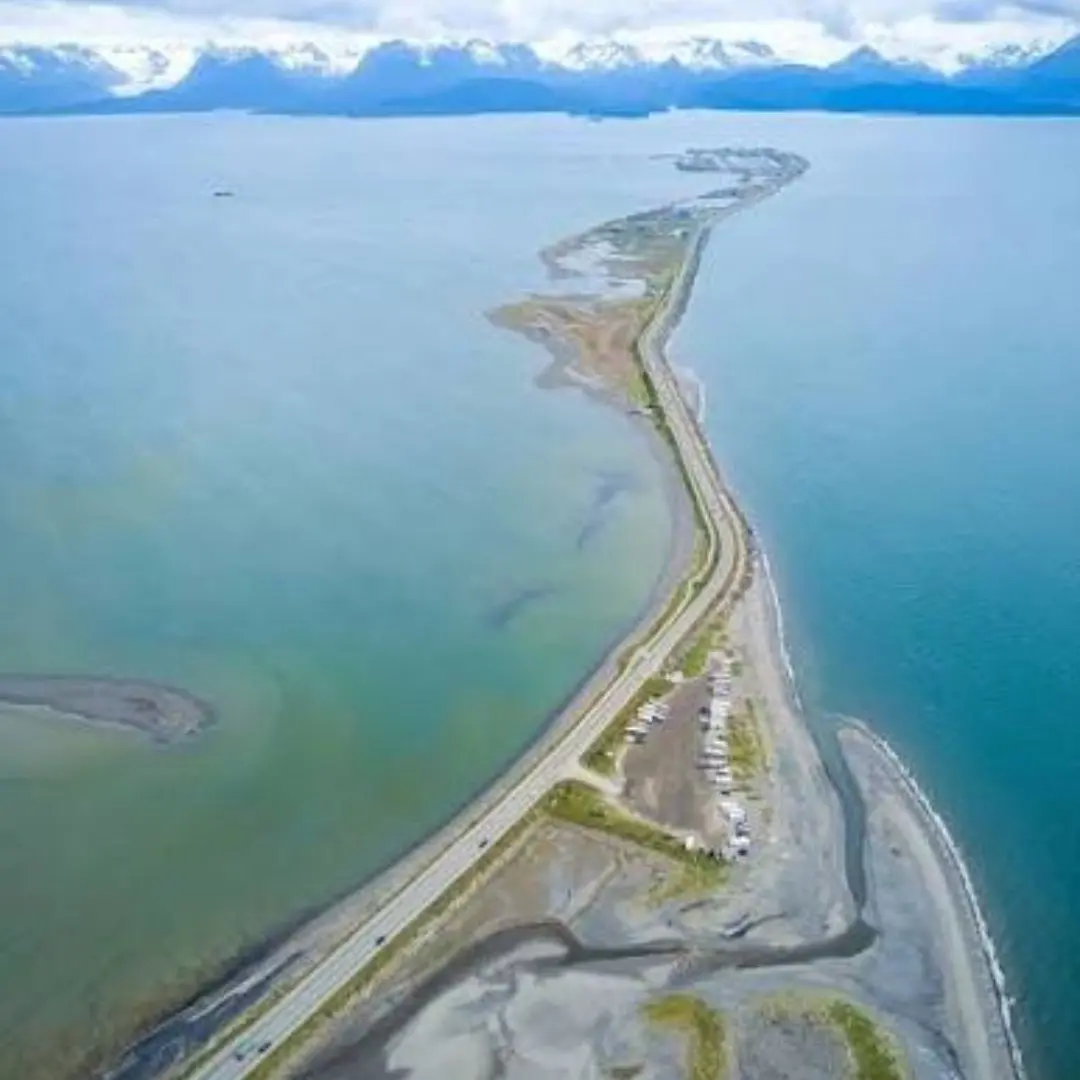
Look at a map of Homer and one feature jumps out: a long, thin finger of land reaching about 4.5 miles straight into Kachemak Bay. That’s the Spit — the landform that made a working fishing port here possible.
Ice built it, water shaped it
Geologists generally describe the Homer Spit as a glacial moraine — a long ridge of gravel, sand, and rock left behind as glaciers advanced and then retreated across this landscape over the last ice age. When the ice pulled back, it left that bar of sediment reaching out into the bay. Ever since, the bay’s waves, tides, and currents have reworked and shaped it — the “forces of the water” that keep sculpting the Spit to this day.
So it’s really a collaboration between ice and water: the glacier laid down the material, and the sea has been shaping it ever since.
Still a living landform
The Spit isn’t fixed in place. In the 1964 Good Friday earthquake — one of the most powerful ever recorded in North America — the land here dropped several feet, reshaping the Spit again in a matter of minutes. It’s a reminder that this is a young, active coastline.
Why a port grew here
That accident of geology set the stage. Reaching out into the bay put solid ground right next to navigable water — room for a harbor, docks, and everything a working waterfront needs, close to where boats want to be. But the landform is only the setting. The harbor, the breakwater, the docks, the roads, and the dredging that keep it all working were built by people over decades. Geology created the setting. People built the port.
It’s also why we process right on the Spit: the fish comes off the boat and onto the line without a long trip in between.
Part of the story behind our fish.